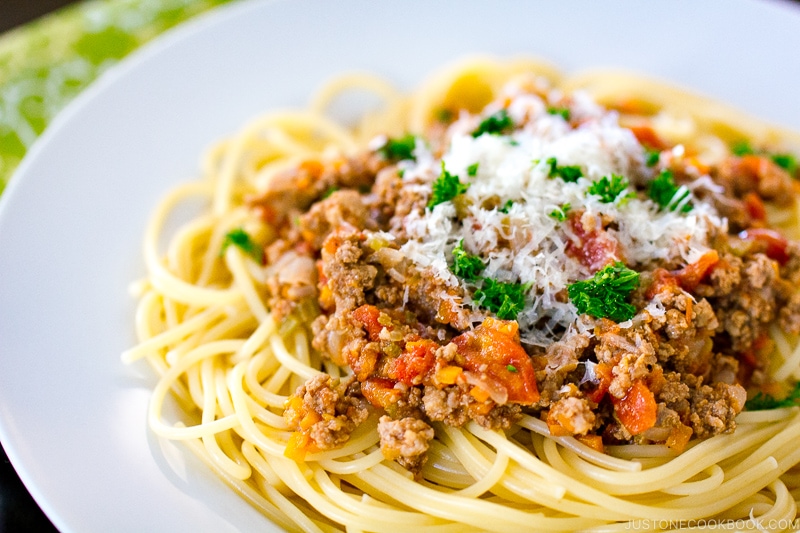
Japanese Spaghetti Meat Sauce: A Healthy & Kid-Friendly Family Favorite
Imagine a dish that effortlessly marries comforting familiarity with vibrant, wholesome ingredients, delighting both adults and the pickiest of eaters. That's precisely what Japanese-style spaghetti meat sauce offers. More than just a meal, it's a culinary hug, a dish steeped in the nostalgia of childhood for many across Japan, and now a beloved staple for families worldwide. Forget the store-bought jars; this homemade version is not only healthier and more flavorful but also a fantastic way to introduce a burst of vegetables into your family's diet, all while keeping that irresistible, savory appeal of classic spaghetti meat sauce.
Growing up, for many, the answer to "What's your favorite Western-style dish?" was an immediate and enthusiastic declaration of spaghetti meat sauce. It's a dish that transcends cultures, its rich tomato base and savory ground meat a universal language of comfort, especially appealing to young palates. This recipe captures that timeless allure while infusing it with a uniquely Japanese approach, prioritizing fresh, wholesome ingredients and an abundance of finely diced vegetables. It's the ultimate weeknight hero and a secret weapon for parents looking to sneak in extra nutrition without a fuss.
Why Japanese Spaghetti Meat Sauce is a Family Favorite
The enduring popularity of Japanese spaghetti meat sauce, particularly among families, isn't just a happy accident. It's a testament to its intelligent design and inherent deliciousness. This dish ticks all the right boxes for busy parents and hungry children alike.
Kid-Friendly Appeal That Crosses Cultures
It’s no secret that kids love spaghetti. The long strands of pasta, the rich, savory sauce – it’s a sensory experience that’s hard to resist. This Japanese rendition maintains all the classic appeal that makes spaghetti meat sauce a global favorite for children. The savory depth, the subtle sweetness from slow-cooked vegetables, and the familiar texture of ground meat combined with pasta create a comforting and utterly satisfying meal that rarely meets with resistance. It's a dish that speaks to the inner child in all of us, evoking a sense of warmth and contentment.
The Healthy Twist: Veggies Galore
One of the most significant advantages of this Japanese-style recipe is its ingenious approach to nutrition. While traditional Italian Bolognese often features a vegetable base, the Japanese interpretation tends to be even more generous, incorporating a higher volume of finely diced vegetables like onions, carrots, celery, and mushrooms directly into the sauce. These vegetables break down beautifully during the long simmering process, lending natural sweetness, body, and a wealth of nutrients without overpowering the dish. For parents, this is a game-changer – a delicious, hearty meal that subtly ensures kids are consuming a good portion of their daily vegetable intake, often without even realizing it. It's the ultimate stealth health move, making this spaghetti meat sauce a truly healthy and wholesome option.
A Unique Flavor Profile: The Beef & Pork Blend
The "Japanese twist" also comes through in the choice of ground meat. While many Western recipes lean solely on ground beef, this version often recommends a mixture of ground beef and ground pork. This blend is a masterstroke in flavor and texture. The beef provides a robust, meaty depth, while the pork contributes a luscious richness and a finer, more tender texture. Together, they create a perfectly balanced foundation for the sauce, offering a unique umami dimension that sets this dish apart from its purely beef counterparts.
Crafting the Perfect Japanese-Style Spaghetti Meat Sauce: Ingredients & Flavor Secrets
The magic of this deeply flavorful spaghetti meat sauce lies in its thoughtful selection and preparation of ingredients. Each component plays a crucial role in building layers of taste and texture.
The Foundation: Aromatic Vegetables and Mixed Meats
At the heart of any great sauce is a robust aromatic base. Here, we start with what the French call
mirepoix and the Italians call
soffritto – a finely diced blend of onion, carrot, and celery. Sautéing these vegetables slowly in extra virgin olive oil until they are tender and golden is paramount. This process sweetens them naturally, laying a foundational layer of flavor that will permeate the entire sauce.
Following the aromatics, the recommended blend of
ground beef and pork is introduced. This combination isn't just about cultural preference; it’s a culinary strategy. The beef lends its signature savoriness, while the pork adds richness and a delightful tenderness to the sauce, creating a complex and satisfying mouthfeel. Breaking the meat into small pieces and browning it thoroughly ensures maximum flavor development.
Depth and Richness: Wine, Tomatoes, and Umami Boosters
Once the meat is browned, a splash of
red wine is often added. This serves a dual purpose: it deglazes the pan, lifting all those caramelized bits of flavor from the bottom, and it introduces a robust, warm richness to the sauce as it simmers and the alcohol evaporates. If you prefer to avoid alcohol, don't fret! A good substitution is an equal amount of vegetable stock with a teaspoon of balsamic vinegar, or even a splash of grape juice for sweetness, as highlighted in
Mastering Meat Sauce: Batch Cooking & Flavor Secrets Guide, which often explores clever flavor hacks.
The backbone of any spaghetti meat sauce is, of course, the tomatoes. Using
whole canned tomatoes is often preferred, as they tend to be less processed and offer a fresher, brighter tomato flavor that you can break down yourself to your desired consistency. Complementing the tomatoes,
vegetable stock or broth adds another layer of liquid and savoriness, helping the sauce to simmer gently and deepen its flavors.
One of the unsung heroes in this recipe, especially for its umami contribution, are
button mushrooms. Sliced and added to the simmering sauce, they absorb the rich liquids, contributing an earthy depth and a wonderfully tender texture that enhances the overall complexity of the dish, making it even more appealing to children.
Seasoning and Finishing Touches
Simple seasonings like salt and freshly ground black pepper are crucial for balancing and enhancing all the flavors. Towards the end of cooking, a knob of unsalted butter is often stirred in. This isn't just for richness; it adds a beautiful glossy sheen to the sauce, making it look as appetizing as it tastes. For serving, fresh parsley adds a touch of brightness, and a generous grating of Parmigiano-Reggiano (or good quality Parmesan cheese) provides a salty, nutty flourish that completes the experience.
Step-by-Step: Your Guide to a Delicious & Easy Meal
Creating this delightful Japanese spaghetti meat sauce is a straightforward process that yields incredibly rewarding results. Here's how to bring it all together for an easy yet incredibly satisfying family meal.
Preparing the Aromatic Base
Begin by heating a generous amount of extra virgin olive oil in a large skillet or Dutch oven. Add the finely chopped garlic and a bay leaf, cooking until fragrant – this usually takes less than a minute. Next, introduce your finely diced onion, carrot, and celery. This trio, your soffritto, is the flavor engine of your sauce. Sauté them patiently over medium-low heat until they are soft and golden brown, about 8-10 minutes. This slow cooking allows their natural sugars to caramelize, building a sweet, aromatic base.
Browning the Meat and Deglazing
Increase the heat slightly and add your mixture of ground beef and pork to the pan. Break the meat into small pieces with a spoon or spatula as it cooks. Brown the meat thoroughly, stirring occasionally, until no pink remains. This step is crucial for developing deep, savory flavors. Once the meat is nicely browned, pour in the red wine. Let it simmer vigorously for a few minutes, scraping up any browned bits from the bottom of the pan – this is called deglazing, and it adds incredible depth. Continue to simmer until the alcohol has evaporated, leaving behind only its rich essence.
Simmering for Flavor Development
Now, it’s time to add the body of the sauce. Pour in the can of whole tomatoes, breaking them up with your spoon or hands as you add them. Stir in the vegetable stock or broth and the sliced button mushrooms. Bring the sauce to a gentle simmer, then reduce the heat to medium-low, cover, and let it cook. The magic happens during this long, slow simmer. Allow it to cook for at least an hour, or even longer (up to 2-3 hours for maximum flavor development), stirring occasionally, until the liquid has significantly reduced and the sauce has thickened to a rich, luscious consistency. The longer it simmers, the more the flavors meld and deepen, transforming into that ultimate comfort food. This extended simmering is key to any truly
Homemade Spaghetti Meat Sauce: The Ultimate Comfort Dish.
Finishing and Serving
Towards the end of the sauce's cooking time, bring a large pot of salted water to a rolling boil and cook your spaghetti or preferred pasta according to package directions until al dente. Just before serving, stir a knob of unsalted butter into the meat sauce, allowing it to melt and contribute a silky finish. Season the sauce generously with salt and freshly ground black pepper to taste. Serve the rich meat sauce immediately over the hot, drained spaghetti. Garnish with fresh chopped parsley and a generous sprinkling of grated Parmigiano-Reggiano or Parmesan cheese. Enjoy this hearty and wholesome meal with your family!
Smart Tips for Busy Families & Meal Prep
This Japanese spaghetti meat sauce isn't just delicious; it's also incredibly practical for modern family life, offering fantastic options for meal planning and customization.
Batch Cooking & Freezing for Convenience
One of the standout features of this recipe is its excellent freezer-friendliness. The sauce stores beautifully, making it an ideal candidate for batch cooking. Double or even triple the recipe, then portion the cooled sauce into airtight containers or freezer bags. It will keep well in the freezer for up to 3-4 months. This means you can have a healthy, homemade meal ready to go on those particularly busy weeknights – simply thaw, reheat, and boil some fresh spaghetti. It’s a true lifesaver during hectic schedules.
Customizing with More Vegetables
While the recipe includes a generous amount of vegetables, don't hesitate to experiment! This sauce is incredibly forgiving and can be a canvas for other vegetables you might have on hand. Finely diced bell peppers, zucchini, or even a handful of fresh spinach stirred in towards the end of cooking can add more nutrients and variety. For an extra boost, consider adding a tablespoon of grated apple or a pinch of cinnamon for an unexpected depth that children often enjoy.
Dietary Adaptations and Serving Versatility
This recipe is easily adaptable to various dietary needs. For a gluten-free option, simply swap out traditional spaghetti for a gluten-free pasta. If you're looking to reduce red meat, you could use ground turkey or chicken, though the beef-pork blend offers superior flavor. For those avoiding alcohol, remember the red wine substitution tips mentioned earlier.
Beyond serving it over spaghetti, the versatility of this meat sauce is boundless. Ladle it over polenta, use it as a filling for homemade lasagna, or serve it atop baked potatoes or even rice for a Japanese-inspired "hayashi rice" experience. It can also be incorporated into savory pies or used as a base for sloppy joes – the possibilities are endless!
Conclusion
Japanese spaghetti meat sauce is more than just a meal; it's a celebration of comfort, health, and family. By blending the universal appeal of spaghetti with a clever, vegetable-rich approach, this recipe delivers a deeply flavorful, wholesome, and incredibly kid-friendly dish. It’s a testament to how simple, quality ingredients, prepared with care, can transform into an extraordinary culinary experience that brings everyone to the table. Whether you’re seeking a nutritious weeknight dinner, an easy batch-cooking solution, or simply a taste of cherished childhood memories, this homemade spaghetti meat sauce is sure to become a cherished tradition in your home. Give it a try – your taste buds, and your family, will thank you!