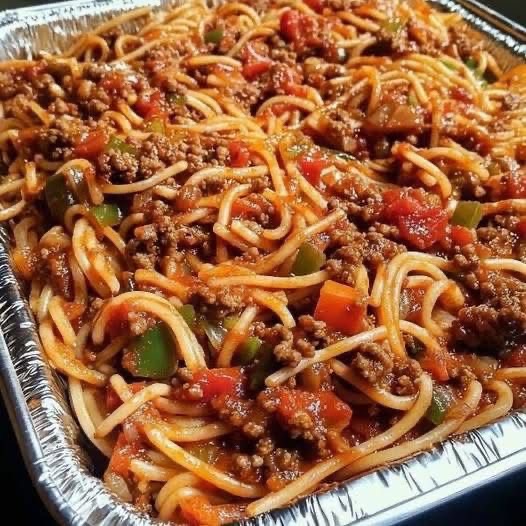
Mastering Meat Sauce: Batch Cooking & Flavor Secrets Guide
There are few dishes that evoke such universal comfort and satisfaction as a rich, savory plate of spaghetti meat sauce. It's a culinary cornerstone in homes and restaurants alike, a dish cherished by children and adults across the globe. Forget the bland, store-bought jars; crafting your own homemade
homemade spaghetti meat sauce isn't just easy, it's an opportunity to infuse your meals with unparalleled flavor and wholesome goodness. This guide will delve into the secrets of creating a truly exceptional meat sauce, focusing on both irresistible taste and the incredible convenience of batch cooking.
The Universal Appeal of Homemade Spaghetti Meat Sauce
Whether it's the robust, Italian-inspired flavors that bring families together or the unique, vegetable-rich Japanese twist, spaghetti meat sauce holds a special place in culinary hearts. For many, it's a nostalgic taste of childhood, a dish savored countless times. What makes it so enduringly popular? Its ability to transform simple ingredients into a deeply satisfying meal, its versatility, and its inherent customizability. From hearty ground meat to a vibrant medley of vegetables, every component contributes to a symphony of flavors that is both comforting and nutritious.
One of the greatest benefits of preparing this dish at home is the control you gain over ingredients, ensuring a healthier meal free from unwanted additives. For parents, it's a brilliant way to introduce more vegetables into their children's diets without a fuss, especially with methods like the Japanese style, which emphasizes a higher vegetable content. It's a win-win: delicious food that also checks all the boxes for healthy eating.
Unlocking Unforgettable Flavor: Beyond the Basics
The magic of a truly remarkable spaghetti meat sauce lies in the careful selection and preparation of its core ingredients. It’s about building layers of flavor that deepen with every step.
The Meat Blend: A Tale of Two Textures
While ground beef is a common choice, an expert-level spaghetti meat sauce often benefits from a combination. We highly recommend using a mixture of **ground beef and ground pork**. This blend offers a superior texture – the beef provides robust flavor, while the pork adds richness and a tender mouthfeel that elevates the sauce significantly. This Japanese-inspired approach ensures a satisfying, well-rounded meatiness that single-meat sauces often lack. When browning, ensure you break up the meat into fine pieces for even cooking and distribution throughout the sauce.
The Aromatic Foundation: Soffritto's Magic
Every great sauce begins with a solid aromatic base. In Italian cuisine, this is known as *soffritto*; in French, it's *mirepoix*. This fundamental blend of finely diced vegetables sautéed in olive oil is non-negotiable for building profound flavor. It typically consists of:
- Onion: Provides sweetness and depth.
- Carrot: Adds natural sweetness and a subtle earthy note.
- Celery: Contributes a savory, slightly peppery undertone.
Start by sautéing these aromatics along with **garlic and bay leaf** in extra virgin olive oil until they are soft, fragrant, and golden brown. This gentle caramelization is key to extracting their natural sugars and creating a sweet, savory foundation for the entire sauce. For a child-friendly version, dicing these vegetables very finely (or even grating the carrot) makes them virtually undetectable while still imparting their full flavor and nutritional benefits.
The Secret Ingredients for Depth
Beyond the core components, certain additions can transform a good spaghetti meat sauce into an extraordinary one:
- Red Wine: A splash of red wine is a game-changer. It deglazes the pan, lifting up all those delicious browned bits from the bottom, and adds a robust, warm richness. Don't worry about the alcohol; it evaporates during the simmering process, leaving only its complex flavor behind. If you prefer to avoid alcohol, a good quality vegetable or beef stock, perhaps with a hint of balsamic vinegar, makes an excellent substitute.
- Quality Tomatoes: The quality of your canned tomatoes truly matters. Opt for whole peeled tomatoes, ideally San Marzano, and break them up by hand or with a spoon as they cook. This allows you to control the texture and ensures a fresher, brighter tomato flavor than pre-crushed varieties.
- Mushrooms: Sliced button mushrooms, or even cremini, add an incredible umami depth. They absorb the sauce's flavors and contribute their own earthy notes, making the sauce feel even richer and more satisfying.
- Vegetable Stock/Broth: Use this to provide additional liquid for simmering and to further deepen the savory profile of your sauce.
- Balsamic Vinegar: Here's a true secret weapon! A touch of balsamic vinegar at the right stage can elevate the entire dish, adding a beautiful tang and a hint of complex sweetness that cuts through the richness and brightens all the flavors.
- Unsalted Butter: Toward the end of cooking, stirring in a knob of unsalted butter adds a luxurious silky texture and a final touch of richness, rounding out the flavors perfectly.
Season generously with salt and freshly ground black pepper throughout the cooking process, tasting and adjusting as you go.
Mastering Batch Cooking: Convenience Meets Culinary Excellence
One of the most appealing aspects of spaghetti meat sauce is its incredible freezer-friendliness, making it the ultimate candidate for **batch cooking**. Imagine coming home after a busy day to a ready-made, deeply flavorful meal – that's the power of meal prepping your sauce.
Why Batch Cook Your Spaghetti Meat Sauce?
- Time-Saving: Prepare a large quantity once, and enjoy multiple meals throughout the week or month. This frees up precious time on busy weeknights.
- Healthy Eating: Having healthy, homemade options readily available helps you avoid less nutritious takeout or processed foods.
- Flavor Development: Meat sauces often taste even better the next day, as the flavors have more time to meld and deepen. Batch cooking allows for this natural enhancement.
- Economic: Buying ingredients in larger quantities can sometimes be more cost-effective.
Freezing and Thawing Tips
- Cool Completely: Before freezing, ensure your spaghetti meat sauce has cooled down entirely to room temperature. This prevents ice crystal formation and helps maintain quality.
- Portion Smartly: Divide the sauce into single-serving or family-sized portions in freezer-safe containers or heavy-duty freezer bags. Laying freezer bags flat helps them freeze faster and stack easily.
- Label and Date: Always label your containers with the dish name and the date it was made. Properly stored, spaghetti meat sauce can last for up to 3-4 months in the freezer.
- Thawing: The best way to thaw is overnight in the refrigerator. For a quicker option, you can gently reheat frozen sauce directly on the stovetop over low heat, stirring occasionally, or use the defrost setting on your microwave.
Step-by-Step: Crafting Your Signature Meat Sauce
Bringing all these elements together into a cohesive, delicious sauce is simpler than you might think.
- Build the Base: In a large skillet or Dutch oven, heat olive oil and sauté garlic and bay leaf until fragrant. Add the finely chopped onion, carrot, and celery, cooking until softened and lightly golden.
- Brown the Meat: Add your ground beef and pork mixture, breaking it up as it cooks. Brown thoroughly until no pink remains.
- Deglaze and Deepen: Pour in the red wine (or substitute) and let it simmer until the alcohol has evaporated, scraping up any browned bits from the bottom of the pan.
- Add Tomatoes and Stock: Stir in the canned whole tomatoes, breaking them apart. Add vegetable stock/broth and sliced mushrooms. Bring to a gentle simmer.
- Slow Simmer for Flavor: Reduce the heat to medium-low and let the sauce gently simmer for at least an hour, or even longer (90 minutes to 2 hours is ideal) until the liquid has reduced and the sauce has thickened beautifully. The longer it simmers, the deeper the flavor will be.
- Finish and Season: Stir in unsalted butter and balsamic vinegar (if using). Season generously with salt and freshly ground black pepper. Taste and adjust.
For a detailed look into a particular style, you might enjoy our
Japanese Spaghetti Meat Sauce: Healthy & Kid-Friendly Recipe which offers a unique perspective on this beloved dish.
Creative Servings and Dietary Adaptations
While spaghetti is the classic pairing, your versatile meat sauce can star in countless other dishes:
- Baked Ziti or Lasagna: Layer it with pasta and cheese for an incredible casserole.
- Shepherd's Pie: Top with mashed potatoes and bake for a hearty twist.
- Sloppy Joes: Serve on toasted buns for a quick, family-friendly meal.
- Stuffed Bell Peppers: Mix with rice and stuff into peppers.
- Over Polenta or Gnocchi: For a comforting alternative to pasta.
For dietary needs, gluten-free pasta works perfectly. To make it vegetarian, you can substitute the ground meat with a mix of finely chopped mushrooms, lentils, or a plant-based ground substitute.
In conclusion, crafting your own spaghetti meat sauce is a rewarding culinary journey that promises rich flavors and unparalleled convenience. By focusing on quality ingredients, employing foundational cooking techniques like soffritto, and embracing the power of batch cooking, you'll create a homemade masterpiece that consistently delivers comfort, nutrition, and deliciousness to your family table. So, roll up your sleeves, embrace the aroma, and prepare to master this timeless favorite.